 Log in
Titan Takes: Current events in Iran and the Middle East – from Titan Square Mile
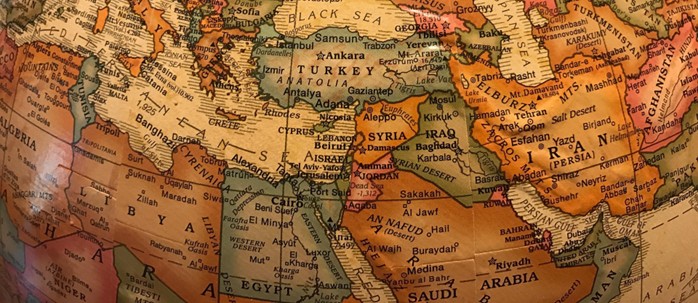
We are writing to provide our thoughts on recent geopolitical developments, particularly the evolving situation in Iran and the Middle East, which has understandably attracted significant media attention and has contributed to market volatility.
The escalating situation
Over recent months, Iran has experienced a convergence of political, economic, and geopolitical pressures. Internally, the country has been facing a severe economic crisis marked by high inflation, reduced purchasing power, and widespread public dissatisfaction. These conditions contributed to nationwide protests beginning in late 2025, which were met with significant government intervention and international scrutiny.
At the same time, tensions between Iran and Western nations have escalated. New sanctions have been introduced alongside ongoing diplomatic negotiations, while military developments in the region have increased geopolitical risk. Recent events have included military strikes and retaliatory actions that have raised concerns about regional stability and global energy supplies.
A key global concern relates to the Strait of Hormuz, a strategic shipping route through which roughly one-fifth of the world’s oil supply passes. Disruption in this region has pushed oil prices higher and will trigger volatility across global markets. Financial markets typically react quickly to uncertainty. Equity markets have experienced temporary declines, while investors have shifted toward traditionally defensive assets such as government bonds and the U.S. dollar. While headlines may feel alarming, it is important to recognise that markets are responding primarily to uncertainty rather than confirmed long-term economic damage.
Geopolitical events have influenced markets throughout modern financial history. Conflicts, elections, and policy shifts often cause short-term price movements, but these movements rarely determine long-term investment outcomes.
Historically, markets tend to adjust rapidly as new information becomes clearer. Energy prices may rise temporarily due to supply fears, but global production adjustments, diplomatic efforts, and economic adaptation typically stabilise conditions over time.
Current volatility reflects three main factors:
- Energy price uncertainty: Oil markets are particularly sensitive to Middle East developments.
- Risk sentiment: Investors temporarily reduce exposure to perceived risk.
- Policy expectations: Inflation and interest-rate outlooks may shift as energy prices change.
None of these factors, on their own, alter the long-term drivers of investment returns; global economic growth, innovation, productivity, and diversified corporate earnings.
How the portfolios are positioned
Our portfolios have been constructed with a well-diversified investment strategy which anticipates that geopolitical shocks will occur periodically. Diversification across regions, sectors, and asset classes helps mitigate the effect of any single event or country. Also, it should be noted that direct exposure to Iran within global investment markets is extremely limited due to longstanding sanctions.
Global companies operate across multiple regions, reducing reliance on any single geopolitical environment. In addition, energy price increases can benefit certain sectors, partially offsetting declines elsewhere. Market pullbacks, while uncomfortable, are a normal and expected part of investing. Historically, periods of heightened uncertainty have often been followed by recovery as markets reprice risk and clarity improves.
Our role is not to react emotionally to headlines but to evaluate events through a disciplined investment framework.
What we are focusing on:
- Maintaining diversified allocations aligned with long-term goals
- Monitoring liquidity and risk exposures continuously
- Avoiding short-term market timing decisions
- Identifying opportunities that volatility may create
Experience consistently shows that investors who remain committed to a long-term strategy are better positioned than those who attempt to move in and out of markets during periods of stress.
We continue to monitor several developments that may influence markets:
- Diplomatic negotiations and potential de-escalation efforts
- Stability of global oil supply routes
- Central bank responses to energy-driven inflation pressures
- Broader global economic growth trends
While uncertainty may persist in the near term, markets are adaptive systems. Businesses, governments, and investors adjust quickly, which historically limits long-lasting economic disruption.
It is natural for geopolitical events to feel unsettling, particularly when news coverage is intense. However, it is important to remember that global markets have successfully navigated wars, energy crises, financial shocks, and political transitions many times before. We are actively monitoring developments and we maintain a diverse and flexible approach to our portfolios. We stand ready to make adjustments if long-term risks, not short-term headlines, materially change the investment outlook.
If you would like to discuss your portfolio, risk exposure, or market conditions in greater detail, we encourage you to contact us at any time.
Important Information
This document is marketing material issued and approved by Titan Pensions & Investments Ltd which is registered in England and Wales (2318036) and is authorised and regulated by the Financial Conduct Authority. This document is provided for information purposes only and does not constitute any form of financial or investment advice. Past performance is not a guide to future investment performance. The value of your investments as well as any income derived from them can fall as well as rise and you could get back less than the amount invested. We believe the information in this brochure to be correct at the time of going to press. Source of data: Titan Square Mile, unless otherwise stated.
Date: March 2026
